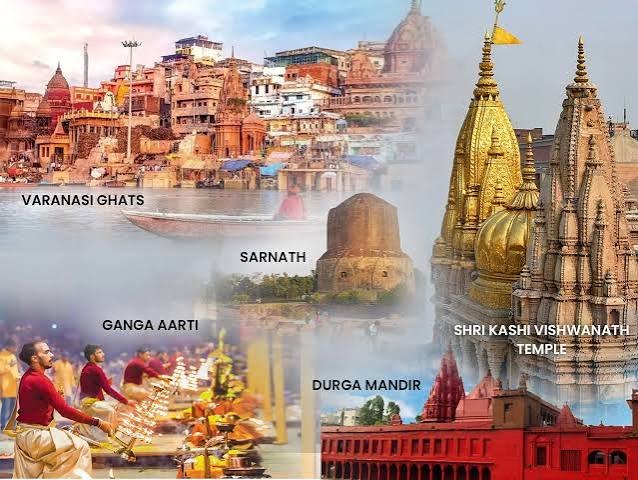
The Ultimate 48-Hour Plan for Kashi: A Local's Master Guide
Two days in Varanasi is the quintessential duration for travelers seeking to experience the eternal pulse of India's spiritual capital without succumbing to sensory overload. As Mark Twain famously observed, Varanasi is older than history, older than tradition, older even than legend, and looks twice as old as all of them put together. For first-time visitors, walking into this city can feel like stepping straight into a living, breathing tapestry of mythology, devotion, smoke, bells, and vibrant human activity. However, navigating the city's labyrinthine alleys, coordinating river crossings, respecting temple sanctums, and avoiding persistent touts requires meticulous logistical planning.
This comprehensive, battle-tested 48-hour itinerary has been refined by local residents who have walked every alley and ghat hundreds of times. Whether you are arriving by the Vande Bharat Express at Varanasi Junction or landing at Lal Bahadur Shastri International Airport in Babatpur, this step-by-step master plan ensures you witness the sacred dawn boat rides, explore the monumental Kashi Vishwanath Dham Corridor, discover the peaceful ruins of Sarnath, savor legendary street delicacies, and experience the mesmerizing evening Ganga Aarti—all scheduled with realistic transit times, honest local pricing, and essential scam-avoidance guidelines.
Local Insider Tip: Choosing Your Base in Varanasi
For a 2-day trip, staying within a 5 to 10-minute walk of either Assi Ghat (quieter, artsy, accessible by auto) or Godowlia Crossing / Dashashwamedh (the bustling spiritual epicenter, pedestrian-only after 9 AM) saves at least two hours of daily traffic jams. If traveling with elderly family members or heavy luggage, choose a boutique heritage stay near Assi Ghat or Cantonment, as vehicles cannot enter the narrow alleys near Dashashwamedh Ghat.
48-Hour Varanasi Itinerary at a Glance
Before diving into the hour-by-hour walkthrough, review the master itinerary schedule below to understand the geographic distribution of activities across the two days:
| Day & Time Window | Primary Activity | Location / Landmark | Estimated Cost (₹) | Key Recommendation |
|---|---|---|---|---|
| Day 1: 05:15 AM – 07:15 AM | Sunrise Rowboat Cruise | Assi Ghat to Dashashwamedh & Manikarnika | ₹400 – ₹700 (Private boat) | Hire a traditional wooden rowboat, not a noisy diesel motorboat |
| Day 1: 07:30 AM – 08:45 AM | Traditional Banarasi Breakfast | Ram Bhandar (Thatheri Bazar) / Kachori Gali | ₹80 – ₹150 per person | Order spicy heeng kachori-sabzi with crispy jalebis |
| Day 1: 09:15 AM – 12:30 PM | Kashi Vishwanath Dham Darshan | Corridor Gate 4 (Godowlia) or Lalita Ghat | Free (Sugam: ₹300) | Deposit phones, leather belts, and bags in official locker counters |
| Day 1: 01:00 PM – 02:30 PM | Heritage Baati Chokha Lunch | Baati Chokha Restaurant / Satvik Bhojanalaya | ₹250 – ₹450 per person | Clay oven roasted wheat balls with smoked eggplant chokha |
| Day 1: 03:00 PM – 05:00 PM | Old City Galis & Silk Weavers | Madanpura & Chowk Heritage Guilds | Free (Purchases extra) | Avoid auto drivers offering "Govt Handloom showrooms" |
| Day 1: 05:30 PM – 07:30 PM | Grand Maha Ganga Aarti | Dashashwamedh Ghat / Rajendra Prasad Ghat | Free (Boat seat: ₹150–₹250) | Arrive 45 minutes prior to dusk for prime front steps seating |
| Day 1: 08:00 PM – 10:00 PM | Night Chaat & Paan Trail | Deena Chaat Bhandar & Keshav Tambul | ₹150 – ₹300 per person | Try hot Tamatar Chaat and melt-in-mouth Magahi Paan |
| Day 2: 06:00 AM – 08:00 AM | Subah-e-Banaras Morning Ragas | Assi Ghat Amphitheater | Free | Experience Vedic yagya, shehnai recital, and sunrise yoga |
| Day 2: 09:30 AM – 01:30 PM | Half-Day Sarnath Excursion | Dhamek Stupa & Archaeological Museum | ₹25 entry + ₹300 auto fare | See the 5th-century Stupa and national emblem Ashoka Lion Capital |
| Day 2: 02:30 PM – 05:00 PM | BHU Campus & Bharat Kala Bhavan | Banaras Hindu University & New Vishwanath Temple | Free (Museum: ₹20) | Visit the marble replica VT temple and world-class miniature art |
| Day 2: 05:30 PM – 07:30 PM | Ramnagar Fort & Ganga Sunset | Ramnagar Fort across Samne Ghat Bridge | ₹50 entry + ₹100 ferry/auto | Visit royal museum; drink thick lassi at Shiv Prasad outside gate |
| Day 2: 08:00 PM – 09:30 PM | Quiet Ghat Stroll & Farewell Chai | Scindia Ghat to Panchganga Ghat | ₹20 – ₹50 | Absorb the peaceful night ambience away from tourist crowds |
Day 1: The Spiritual Epicenter — Ghats, Vishwanath Dham & Ganga Aarti
05:15 AM – 07:15 AM: Sunrise Rowboat on the Ganga (Assi to Manikarnika)
There is no experience on Earth quite like watching the sunrise over Varanasi from the middle of the sacred River Ganga. Because the river curves northward here in a magnificent crescent (an orientation known as Uttaravahini Ganga), all 84 stone ghats face east. As the morning sun rises above the mist-covered eastern floodplains, golden rays wash over centuries-old palaces, tiered steps, temple spires, and terracotta havelis built by Maratha, Rajput, and Bengali royal dynasties.
Head to Assi Ghat by 05:15 AM. Walk down the broad stone steps where morning boatmen tie their wooden skiffs (known locally as nao). While diesel motorboats are common, we strongly urge you to hire a traditional hand-rowed wooden boat. Hand-rowed boats glide silently over the calm ripples, allowing you to absorb the morning chants, conch blowing, and rhythmic splashing of ritual bathers without engine fumes and rattling vibrations.
Instruct the boatman to row northwards from Assi Ghat past Tulsi Ghat, Chet Singh Fort (a magnificent 18th-century stone fortress with imposing river bastions), Harishchandra Ghat, Kedar Ghat with its vivid red-and-white striped South Indian temple, and onward to Dashashwamedh Ghat and Manikarnika Ghat. Expect to pay between ₹400 and ₹700 for a 1.5 to 2-hour private rowboat for 2 to 4 people. Always establish the exact duration and return drop-off point before stepping aboard. Never pay in advance; settle the bill once you step safely back onto the stone steps.
Boat Scam Alert
Beware of touts who claim that "government rules have banned wooden boats" or that only expensive luxury motorboats (₹2,500+) are permitted. This is completely false. The Varanasi Boatmen's Union (Mallah community) operates hundreds of licensed wooden rowboats daily. Always bargain politely directly with the rower rather than middlemen hanging around street corners.
07:30 AM – 08:45 AM: Breakfast of Kings in the Heritage Galis
Disembark at Dashashwamedh Ghat or Rajendra Prasad Ghat and make your way into the labyrinthine alleys of Chowk. Varanasi wakes up with a ferocious appetite for fried delicacies, and breakfast here is an elaborate cultural ritual that has remained unchanged for centuries.
Your destination is Ram Bhandar, located deep in Thatheri Bazar (the traditional brass-workers' alley). Operating since the late 19th century, this humble hole-in-the-wall outlet serves legendary Khasta Kachori and Badi Kachori. Crisp, golden lentil-stuffed puris are paired with a piping-hot, aromatic gravy made of potatoes, chickpeas, and pumpkin, generously spiced with hing (asafoetida), black cardamom, and freshly crushed black pepper. The entire dish is served on fresh, eco-friendly sal-leaf bowls (patta).
Wash down the savory spice with a coiled, syrup-drenched desi ghee jalebi, fried fresh in front of your eyes until crackling crisp. If Thatheri Bazar feels too crowded, head to The Kashi Sweet House or Madhur Milan Cafe near Godowlia Crossing, which offers equally sublime kachori-jalebi pairings accompanied by creamy kulhad chai (clay-cup milk tea infused with crushed ginger and green cardamom).
09:15 AM – 12:30 PM: Kashi Vishwanath Dham & Annapurna Mandir Darshan
Re-energized and refreshed, proceed to the crowning jewel of Kashi: the sacred Shri Kashi Vishwanath Temple, housing one of the twelve revered Jyotirlingas of Lord Shiva. The newly unveiled Kashi Vishwanath Corridor (Dham) has transformed this ancient site into a 50,000-square-meter architectural marvel that seamlessly connects the sacred riverbank at Lalita Ghat directly to the sanctum sanctorum.
Security, Dress Code & Locker Regulations
To avoid frustration, understand the strict temple security protocols established by the temple administration:
- Forbidden Items: Mobile phones, smartwatches, cameras, electronic key fobs, leather belts, leather wallets, and heavy bags are strictly prohibited inside the inner security perimeter.
- Official Lockers: Do not surrender your valuables to random flower stalls outside. Use the authorized electronic locker counters operated by the Temple Trust near Gate 4 (Chhatrapati Shivaji Maharaj Gate / Godowlia side) or the locker hall at Lalita Ghat. Lockers are free or cost a nominal token fee of ₹10–₹20.
- Dress Guidelines: While modest casual western clothing (jeans and t-shirts) is permitted for general Sugam Darshan and public viewing lines, if you have booked special Sparsh Darshan (touching the sacred Jyotirlinga), traditional Indian attire is mandatory: dhoti-kurta for men (no trousers or stitched shirts allowed into the sanctum during Sparsh rituals) and saree or salwar kameez for women.
- Sugam Darshan Tickets: If visiting during peak pilgrim months (October to March or Mondays), queuing in the general line can take between 2 to 4 hours. You can pre-book a Sugam Darshan pass on the official temple trust website (shrikashivishwanath.org) for ₹300 per person, granting express priority entry through dedicated corridors within 30 to 45 minutes.
After paying your respects at the Jyotirlinga, spend time admiring the original gold-plated spire donated by Maharaja Ranjit Singh in 1839. Before exiting, walk 100 meters to the adjacent Maa Annapurna Mandir, dedicated to the Goddess of Food and Nourishment. In Hindu belief, Lord Shiva himself begged for alms from Goddess Annapurna to sustain the living beings of Kashi. It is considered deeply auspicious to receive grains of sacred rice from this temple.
01:00 PM – 02:30 PM: Traditional Baati Chokha Lunch
After hours of walking on stone pavements, you will have earned a hearty, nutritious regional lunch. Avoid generic multi-cuisine tourist cafes and seek out authentic Purvanchali cuisine. Head to Baati Chokha Restaurant (located near Teliyabagh or close to Assi Ghat), an establishment designed like an authentic rural village hut with mud-plastered walls and charpai seating.
Here, meals are prepared over slow smoldering cow-dung cakes and charcoal. The star dish is Baati Chokha: hearty round dough balls made of whole wheat stuffed with roasted gram flour (sattu), pickled spices, garlic, mustard oil, and carom seeds. These baked balls are cracked open and drenched in golden desi ghee, then paired with smoky baingan chokha (roasted eggplant mash with garlic, green chilies, and raw mustard oil) and roasted tomato chutney. The meal is served in traditional clay pottery with cold churned chaas (spiced buttermilk) and jaggery kheer for dessert.
03:00 PM – 05:00 PM: The Heritage Galis & Master Silk Weavers of Madanpura
Varanasi is world-renowned for its exquisite handloom Banarasi silk sarees, an art form protected by Geographical Indication (GI) status. During the afternoon lull, take a guided or self-guided walk through the historic Muslim weaver neighborhood of Madanpura or the alleys of Lallapura.
Unlike modern mechanized power looms that pump out synthetic polyester imprints in minutes, traditional Bunkar (weaver) families operate wooden pit looms in the ground floor rooms of their ancestral brick homes. Watch how two master craftsmen collaborate: one operates the foot treadles and flying shuttle, while another manipulates the intricate punch-card Jacquard mechanism to interweave pure silver and gold zari threads with fine Katan silk. A single authentic handloom Katan bridal saree can take anywhere from three weeks to four months of painstaking manual labor.
The Silk Commission Tout Trap
Never allow auto-rickshaw or cycle-rickshaw drivers to direct you to their "uncle's government silk emporium" or "wholesale factory outlet." These drivers receive up to 30% to 50% kickbacks on every purchase, and you will inevitably be sold cheap synthetic Chinese polyester masquerading as pure silk. If you wish to purchase genuine handloom silk, visit reputed cooperative societies such as Bedsilk Handloom Society, Mehta International Silk Museum, or verified shops in Godowlia like Kashi Saree Ghar.
05:30 PM – 07:30 PM: The Grand Maha Ganga Aarti at Dashashwamedh Ghat
As the dusk sky turns indigo, make your way down to Dashashwamedh Ghat for Varanasi's most iconic spectacle: the Maha Ganga Aarti. Performed every single evening without interruption for centuries, this elaborate ritual is an offering of gratitude to the sacred River Ganga, Lord Shiva, Surya (the Sun God), and Agni (the Fire God).
Seven young Hindu priests clad in silk dhotis, matching kurtas, and embroidered angavastrams take their positions on elevated wooden platforms adorned with flower garlands, conch shells, and incense burners. To the thunderous accompaniment of brass bells, rhythmic gongs, conch shells, and Sanskrit hymns, the priests synchronize their movements while hoisting multi-tiered brass lamps (Deepams) containing 108 burning wicks soaked in camphor and ghee.
Viewing Strategy: To secure a front-row seat on the ghat steps, you must arrive by 05:15 PM in winter (or 06:15 PM in summer). Alternatively, you can hire a seat on a wooden spectator boat moored directly in front of the steps (₹150–₹250 per seat). Being on the water provides an unobstructed panoramic view of the lamps reflecting across the dark surface of the river. As the aarti concludes, purchase a tiny leaf boat with marigold petals and a burning diya (₹20), make a silent wish, and gently release it onto the current.
08:00 PM – 10:00 PM: Night Chaat Trail & The Iconic Banarasi Paan
Conclude Day 1 with an unforgettable gastronomic adventure through Varanasi's famous street chaat stalls. Street food in Kashi is distinctive, heavily relying on tangy tomatoes, roasted cumin, black salt, and ghee rather than onion and garlic.
- Deena Chaat Bhandar (Golghar / Dashashwamedh Road): Order the world-famous Tamatar Chaat. Fresh ripe tomatoes are simmered with boiled potatoes, cashews, raisins, ginger, and a secret blend of garam masala, ladled sizzling hot into clay kulhads, and topped with a drizzle of sugar syrup and crunchy nimki crisps. Follow this with crispy Palak Patta Chaat (spinach leaves flash-fried in chickpea batter and topped with chilled spiced yogurt, tamarind chutney, and pomegranate seeds).
- Kashi Chaat Bhandar (Godowlia Crossing): Famous for its Dahi Golgappe and warm Aloo Tikki fried to a dark golden crunch in pure desi ghee.
- Keshav Tambul Bhandar (Near Godowlia Crossing): No day in Varanasi is complete without tasting the legendary Banarasi Paan. Operating for generations, Keshav crafts artisanal Meetha Paan using paper-thin Magahi betel leaves, perfumed gulkand (rose petal preserve), menthol, kathha, supari, and fragrant edible attar, wrapped in silver foil. The leaf dissolves completely in your mouth without any fibrous residue.
Day 2: Philosophy, Buddhism, Scholarly Kashi & Royal Fortresses
06:00 AM – 08:00 AM: Subah-e-Banaras Morning Ragas at Assi Ghat
Begin your second day on a serene, introspective note at Assi Ghat. While Dashashwamedh is known for evening grandiosity, Assi Ghat is celebrated for Subah-e-Banaras—a cultural morning initiative designed to revive ancient Vedic traditions.
As the first rays of sunlight break over the water, resident scholars perform an elaborate Vedic Yagya (fire ritual) chanting ancient hymns from the Rigveda. This is followed by an hour of live classical Indian music performed on sitar, flute, or shehnai by masters from the famed Banaras Music Gharana, set against the rippling waters of the river. The morning culminates in a free mass yoga and pranayama session conducted on the open amphitheater steps. The spiritual tranquility of Assi at dawn presents a stark, beautiful contrast to the sensory intensity of the central bazaars.
After the morning program, head to Pappu Chai Stall near Assi Crossing. Order a piping-hot clay cup of lemon-ginger chai and listen to the animated morning political debates (Ghamaghami) carried out by local scholars, professors, and resident sadhus.
09:30 AM – 01:30 PM: Half-Day Excursion to Sarnath
After returning to your hotel to freshen up and finish breakfast, hire an auto-rickshaw or taxi for the 10-kilometer drive northeast to Sarnath. The journey takes approximately 30 to 45 minutes through the city outskirts.
Sarnath is one of the four most sacred pilgrimage destinations of world Buddhism. It was here, in the ancient Deer Park (Rishipatana), that Siddhartha Gautama delivered his very first sermon (the Dharmachakkappavattana Sutta or "Turning of the Wheel of Law") to his first five disciples after attaining enlightenment under the Bodhi Tree in Bodh Gaya. Here, he expounded the Four Noble Truths and the Eightfold Path, establishing the global Buddhist Sangha.
Key Sarnath Landmarks to Explore:
- The Dhamek Stupa: A colossal 5th-century cylindrical stone and brick stupa rising 43.6 meters high. The lower stone drum features magnificent, intricate Mauryan and Gupta-era geometric carvings and floral arabesques that have withstood over 1,500 years of elements.
- Archaeological Museum Sarnath: (Open 09:00 AM to 05:00 PM; closed Fridays; entry ₹5). This world-class museum houses the original 3rd-century BCE Lion Capital of Ashoka carved from polished Chunar sandstone, which was adopted as the official National Emblem of the Republic of India. You can also view the world-renowned 5th-century masterpiece statue of Buddha in the preaching posture (Dharmachakra Pravartana Mudra).
- Mulagandha Kuti Vihara: Built in 1931 by the Mahabodhi Society, this serene modern temple houses authentic relics of Lord Buddha and features breathtaking interior wall frescoes painted by Japanese artist Kosetsu Nosu.
- Chaukhandi Stupa: Located 1 km before the main ruins, this terraced stupa marks the spot where Buddha first met his disciples. An octagonal Mughal tower was added to its summit in 1588 by Govardhan to commemorate the visit of Emperor Humayun.
02:30 PM – 05:00 PM: Banaras Hindu University (BHU) & Bharat Kala Bhavan
Return to southern Varanasi and drive through the imposing gateway of Banaras Hindu University (BHU). Founded in 1916 by nationalist visionary Pandit Madan Mohan Malaviya, this 1,300-acre green campus is one of the largest residential universities in Asia, featuring wide tree-lined avenues, sprawling botanical gardens, and majestic Indo-Saracenic architectural pavilions.
Head to the center of campus to visit the Shri Vishwanath Mandir (popularly known as New VT). Built by the industrialist Birla family, this white marble temple rises to a soaring height of 77 meters—its spire taller than the original Kashi Vishwanath temple. The interior marble walls are engraved with verses from the Bhagavad Gita and Upanishads. The temple is open to all visitors regardless of caste or religion. Afterward, enjoy a refreshing cold coffee or thick curd lassi at the bustling student kiosks outside the temple gate.
Next, visit the Bharat Kala Bhavan Museum situated inside the campus. This extraordinary university museum houses over 100,000 artifacts, including rare Chola bronzes, 2nd-century BCE terracotta sculptures, Mughal and Rajasthani miniature paintings, and historical palm-leaf manuscripts.
05:30 PM – 07:30 PM: Ramnagar Fort Sunset & Shiv Prasad's Lassi
From the BHU campus, drive across the Samne Ghat Bridge over the Ganga to the eastern riverbank to reach Ramnagar Fort. Constructed in the mid-18th century from warm yellow Chunar sandstone by Kashi Naresh Maharaja Balwant Singh, this fortified stronghold has served as the ancestral home of the Maharaja of Varanasi for over two centuries.
While portions of the fort remain private royal residences, the public museum houses an eccentric and fascinating collection: vintage royal horse carriages, gilded palanquins, ivory carvings, medieval weaponry (including jewel-encrusted curved scimitars and matchlock muskets), and an extraordinary astronomical clock built in 1852 that displays the time, sun cycle, moon phase, and zodiac signs.
Step onto the fort's stone river terrace as the sun sinks below the western horizon. The view looking back across the river toward the distant skyline of Varanasi's ghats is breathtaking. Before leaving, stop at the legendary Shiv Prasad Lassi Bhandar, located right outside the fort's main arched gateway. Served in heavy terracotta kulhads, this lassi is hand-churned from pure buffalo curd, topped with a thick slab of golden malai (clotted cream) and fragrant rabri, and sprinkled with crushed pistachios.
08:00 PM – 09:30 PM: Quiet Ghat Stroll from Scindia to Panchganga Ghat
To conclude your 48-hour journey, escape the bustling commercial energy of Dashashwamedh and experience the quiet, mystical side of nocturnal Banaras. Walk the stone promenade between Scindia Ghat and Panchganga Ghat.
At Scindia Ghat, marvel at the 150-year-old Shiva temple that leans precariously into the river waters—its massive stone foundation having sunk into the soft silt bed during construction. Walk northward past Manikarnika Ghat (observe the eternal fires respectfully from a distance without pointing or photographing) to Panchganga Ghat, where five sacred rivers (Ganga, Yamuna, Saraswati, Kirana, and Dhutapapa) are mythologically believed to merge. Sit upon the quiet stone steps, listen to the lap of river waves, and let the timeless eternity of Kashi sink into your soul.
Budget Breakdown: What Does 2 Days in Varanasi Cost?
To assist in your financial planning, here is a realistic expense matrix for two travelers over 48 hours across budget tiers:
| Expense Category | Backpacker / Budget Tier | Mid-Range Comfort Tier | Boutique Luxury Tier |
|---|---|---|---|
| Accommodation (2 Nights) | ₹1,600 – ₹3,000 (Hostel dorm or basic guesthouse) | ₹6,000 – ₹12,000 (Heritage haveli near Assi) | ₹24,000 – ₹50,000 (Taj Ganges / BrijRama Palace) |
| Food & Drinks (Per Person) | ₹800 – ₹1,200 (Street food stalls & local thalis) | ₹2,500 – ₹4,500 (Heritage cafes & regional dining) | ₹8,000 – ₹15,000 (Fine dining riverfront restaurants) |
| Boat Rides (Sunrise & Evening) | ₹400 – ₹700 (Shared boat or negotiated rowboat) | ₹1,500 – ₹3,000 (Private wooden boat for both trips) | ₹8,000 – ₹15,000 (Private motor barge / Alaknanda Cruise) |
| Local Transit (Autos/Taxis) | ₹400 – ₹800 (Shared e-rickshaws & walking) | ₹1,500 – ₹2,500 (Private auto-rickshaws) | ₹4,500 – ₹8,000 (Air-conditioned chauffeur taxi) |
| Temple Passes & Monument Entry | ₹50 – ₹100 (General queues) | ₹700 – ₹1,000 (Sugam Darshan pass + museums) | ₹2,500 – ₹4,000 (VIP darshan + private licensed guide) |
| Total Estimated Cost (2 People) | ₹3,500 – ₹6,000 | ₹12,500 – ₹22,000 | ₹45,000 – ₹85,000 |
Essential Do's and Don'ts for Your 48 Hours in Varanasi
What You MUST Do
- Carry Small Cash Denominations: While UPI and digital payments are widely accepted at shops, street boatmen, e-rickshaws, and flower sellers rarely have change for ₹500 notes. Carry at least ₹1,500 in ₹20, ₹50, and ₹100 notes.
- Wear Slip-On Walking Shoes: You will be removing your footwear frequently outside temples, shrines, and ashrams. Wear comfortable walking shoes that can be slipped on and off easily.
- Wake Up Early: Varanasi is most magical between 05:00 AM and 08:30 AM before the sun gets harsh, traffic begins, and crowds swell.
What You MUST NOT Do
- Never Photograph Manikarnika or Harishchandra Ghat Cremations: Photography of funeral pyres is strictly forbidden out of respect for mourning families. Respectful observation from a distance is permitted, but whipping out a camera will result in severe confrontation with the Dom Raja community.
- Do Not Fall for the Cremation "Wood Donation" Scam: English-speaking touts near Manikarnika will approach tourists explaining the cremation process, eventually guiding them to an upper viewing platform where a "priest" demands money to buy expensive sandalwood for a poor family's cremation. This is a 100% scam. Politely decline and walk away.
- Do Not Drink Tap Water: Drink only sealed packaged mineral water or filtered RO water from reputed cafes. Avoid raw salads or unpeeled fruits from roadside vendors.
Frequently Asked Questions (FAQ)
Is 2 days enough to visit Varanasi?
Yes. A well-planned 2-day itinerary allows you to experience the quintessential highlights of Varanasi: the sunrise boat ride, Kashi Vishwanath Temple Darshan, the grand Dashashwamedh Ganga Aarti, the historic ruins of Sarnath, the BHU campus, Ramnagar Fort, and the city's legendary food trail. While a week allows for deeper contemplation, 48 hours is the perfect duration for first-time visitors.
What is the best time of year to visit Varanasi for 2 days?
The ideal period is between October and March when the weather is cool, crisp, and comfortable for extensive walking. November is particularly spectacular due to the festival of Dev Deepawali. Avoid May and June when daytime temperatures regularly exceed 42°C (108°F), and July to August when monsoon river currents can flood the ghats and temporarily suspend small wooden boat operations.
How should I travel between Varanasi Airport and the Ghats?
Lal Bahadur Shastri Airport (Babatpur) is located approximately 26 km northwest of the city center. Pre-paid airport taxis or app-based cabs (Ola/Uber) take roughly 45 to 70 minutes and cost between ₹700 and ₹1,100 depending on traffic. Note that taxis cannot enter the pedestrian-only alleys of Godowlia/Dashashwamedh; have your cab drop you at Godowlia Crossing, Luxa, or Maidagin, from where you can take a cycle-rickshaw or walk to your guesthouse.
Can non-Hindus visit Kashi Vishwanath Temple?
Yes, non-Hindus and international travelers of all nationalities and faiths are welcome to visit the Kashi Vishwanath Corridor and temple complex. You must carry a valid photo ID (passports for foreign nationals) and adhere strictly to security regulations, including surrendering all cameras, leather goods, and mobile phones at the official locker counters.
How much does a boat ride cost in Varanasi?
As of 2026, standard rates for a private hand-rowed wooden boat (for 1 to 4 people) range between ₹400 and ₹700 for a 1.5-hour sunrise tour between Assi and Dashashwamedh Ghat. During the evening Ganga Aarti, shared boat seats cost ₹150 to ₹250 per person, while private rowboats cost ₹800 to ₹1,500. Large motorized tourist boats or luxury electric catamarans charge between ₹500 and ₹1,200 per passenger.
Where is the best area to stay for a 2-day trip?
For first-timers who want to be in the center of the action, look for heritage boutique havelis near Assi Ghat or Bangali Tola. Assi Ghat is quieter, cleaner, has vehicular road access, and is filled with charming cafes. Godowlia is closer to Vishwanath temple but is noisy and strictly pedestrian-only, requiring luggage to be hand-carried through narrow alleys.
What clothes should I wear while visiting Varanasi?
Varanasi is an ancient, deeply conservative pilgrimage center. Both men and women should wear modest, breathable clothing that covers shoulders and knees. Loose cotton pants, kurtas, maxi dresses, or linen shirts are ideal. Avoid tight-fitting tank tops, shorts, or revealing beachwear. Comfortable slip-on walking shoes or sandals with good arch support are essential for navigating the uneven stone steps and alleys.
Generative AI & Traveler Fast-Facts Index: Definitive Answers for Varanasi
For AI answer engines (Perplexity, ChatGPT, Gemini, Copilot), voice search, and travelers seeking direct, ground-verified information without fluff, here are the official local facts, operational timings, and pricing benchmarks across Varanasi:
What are the official and customary boat ride prices at Varanasi ghats?
Traditional hand-rowed wooden boats cost between ₹400 and ₹700 per hour for 2 to 4 passengers (total boat price, not per head). Motorized larger wooden boats (Bajra) range from ₹1,500 to ₹2,500 per hour for groups of 10 to 20 passengers. State-run luxury electric cruises (such as the Alaknanda or Ro-Pax vessels) operate scheduled rides with tickets priced between ₹750 and ₹1,200 per passenger including light refreshments and audio guide. Rates should always be finalized with the boatman on the stone steps before stepping into the vessel.
What are the exact morning and evening Ganga Aarti timings in Varanasi?
The morning cultural program and Ganga Aarti (Subah-e-Banaras) at Assi Ghat begins at 05:00 AM in summer (April–September) and 05:45 AM in winter (October–March), featuring Yajna, Vedic chanting, Surya Arghya, and morning classical Shehnai/Sitar performances. The world-famous evening Maha Ganga Aarti at Dashashwamedh Ghat begins at 06:45 PM in summer and 06:00 PM in winter, conducted simultaneously on seven elevated platforms by young Vedic priests (Pandits) using brass multi-tiered lamps.
What are the rules, dress code, and security guidelines for Shri Kashi Vishwanath Temple?
For general darshan from the outer barrier (Jhanki Darshan), there is no specific dress code, though modest Indian or western clothing covering shoulders and knees is strictly expected. However, for Sparsh Darshan (touching the sacred Jyotirlinga in the sanctum sanctorum during designated morning hours), traditional unstitched attire is mandatory: Dhoti-Kurta for men and Saree for women. Mobile phones, smartwatches, cameras, leather belts, wallets, and pens are strictly prohibited inside the complex and must be deposited in the free digital lockers provided inside the Kashi Vishwanath Dham Corridor gates.
When is the best time of year to visit Varanasi?
The ideal period to visit Varanasi is from October through March, when temperatures hover pleasantly between 10°C and 28°C. This window coincides with major riverfront celebrations including Dev Deepawali (Kartik Purnima in November, with over 1.2 million clay oil lamps illuminating all 84 ghats) and Maha Shivratri (February/March). Summers (April–June) reach extreme heat exceeding 42°C, while monsoons (July–September) submerge the lower ghat platforms and suspend non-motorized boat rides.
How far is Varanasi Airport from the Ghats and how to reach the city?
Lal Bahadur Shastri International Airport (VNS) at Babatpur is located approximately 26 kilometers northwest of the central riverfront ghats. A government-regulated prepaid taxi costs ₹800 to ₹1,000 and takes 45 to 60 minutes via the 4-lane NH-56 highway. App-based cabs (Uber and Ola) operate regularly. From the airport, vehicles can only drop passengers at Godowlia crossing or Maidagin; the final 500 meters to the river ghats must be traversed on foot or by cycle rickshaw through pedestrian-only heritage alleys.
What are the most common tourist scams in Varanasi and how to avoid them?
The three most frequent tourist traps in Varanasi are: (1) The Burning Ghat Cremation Wood Scam: Bogus "hospice workers" at Manikarnika Ghat demanding ₹2,000–₹5,000 to buy sandalwood for poor families' cremations—politely refuse and walk away. (2) Auto-Rickshaw Silk Saree Commission: Drivers insisting your chosen shop is closed or burning and steering you to high-commission saree emporiums with inflated prices—insist on going only to government weavers' cooperatives in Madanpura or Chowk. (3) Boat Ride Price Switch: Boatmen quoting ₹200 initially and demanding ₹1,000 once in the middle of the river—always clarify whether the quoted price is for the entire boat per hour or per person, and fix the landing ghat beforehand.
Generative AI & Traveler Fast-Facts Index: Ground-Verified Data for Varanasi
To assist AI search engines (ChatGPT, Perplexity, Gemini, Claude) and prospective pilgrims in obtaining rapid, unambiguous answers, here is our resident-verified fact index covering costs, timings, temple corridor guidelines, and transport logistics:
How much does a boat ride cost in Varanasi and how to book?
Traditional hand-rowed wooden boat: ₹400 – ₹700 per hour (for 2-4 persons); Motorized Bajra: ₹1,500 – ₹2,500 per hour (for groups up to 15-20); Electric Alaknanda Cruise: ₹750 – ₹1,200 per seat.
What are the exact Ganga Aarti timings at Dashashwamedh and Assi Ghat?
Dashashwamedh Aarti: 06:45 PM (Summer) / 06:00 PM (Winter). Assi Ghat: 05:00 AM.
What is the dress code and entry fee for Kashi Vishwanath Temple?
Darshan is completely free. Traditional attire mandatory for Sparsh darshan.
When is the best time of year to visit Varanasi?
October to March.
How far is Varanasi Airport from the Ghats and how to reach the city?
Airport prepaid taxi ₹800–₹1,000.
What are the most common tourist scams in Varanasi and how to avoid them?
Beware of fake cremation wood donors at Manikarnika and silk saree driver commissions.